Know their range. Know their tendencies. Everything else is noise.
A training site for serious live players and coaches who want to focus on what actually drives decisions.
Most poker mistakes do not come from a lack of knowledge. They come from losing focus on what matters most in the moment. Range & React helps players build a repeatable process for updating an opponent’s range based on previous actions and predicting how that range will react based on player-specific tendencies.
Built for live poker
Practice the repeatable live-decision loop: assign the range, update it street by street, and choose the action that fits the opponent in front of you.
Train the decision loop
Start with a player type, adjust their starting range, narrow it street by street, then predict how each bucket responds before you act.
Track what improves
Villain Ranging and Action Prediction stay separate, making it clear where players excel, where they struggle, and how they improve over time.
Coach-ready workflow
Assignments, pool analytics, recent debriefs, and player oversight all live inside one training environment.
Every villain is built around a real, defined tendency profile.

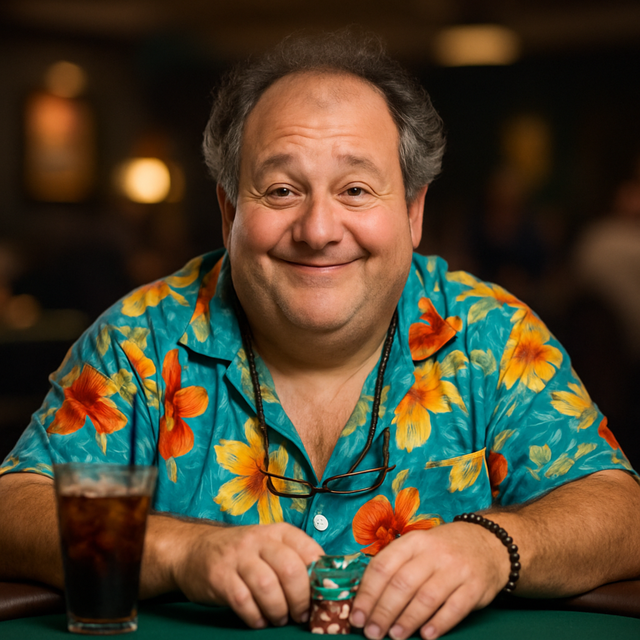
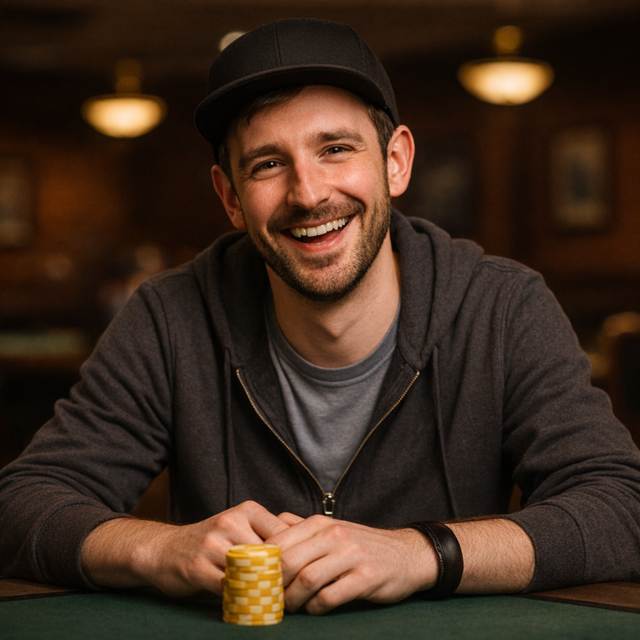

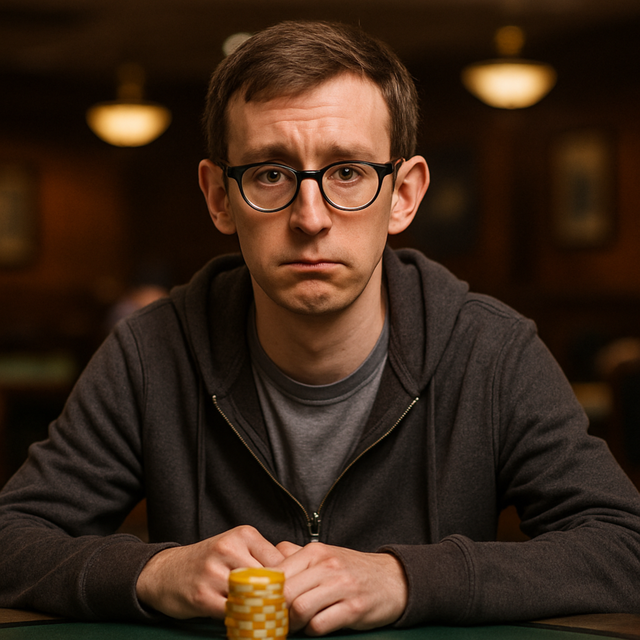
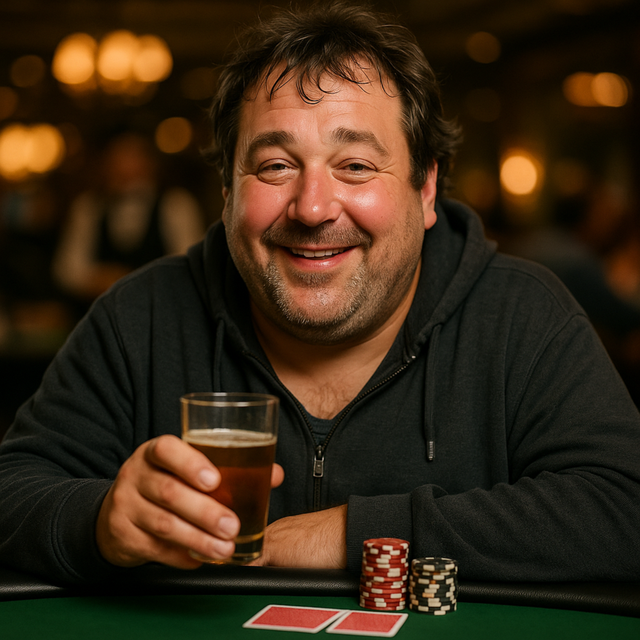
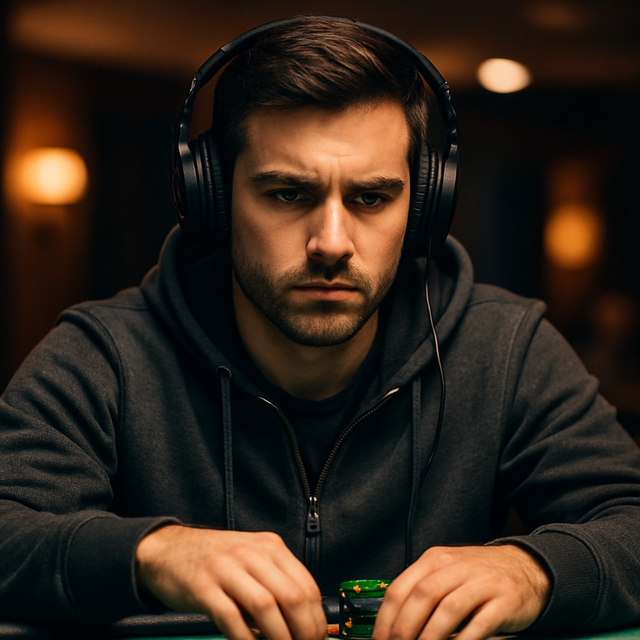
Narrowing down their range
Every rep starts with a selected preflop scenario and a default range tied to that spot. From there, you adjust that starting range based on the specific opponent type you are playing against.
As the hand develops, each action gives you new information. You remove what no longer fits, keep what still makes sense, and carry that updated range from preflop all the way to the river.


Anticipate their action
Once you have an understanding of their current range, it is time to focus on how each part of that range will react to the available actions in front of you.
In the training environment, you map how each bucket in your opponent’s range is likely to respond to each action available to you, helping you compare outcomes and choose the best line instead of just a good one.